

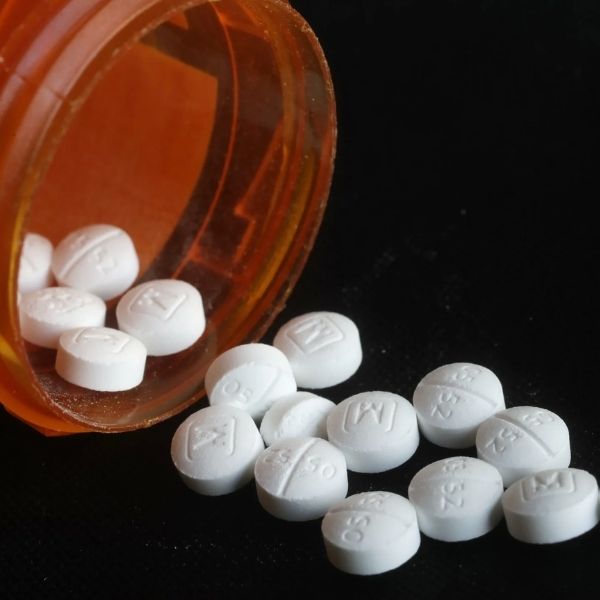
Drug-related deaths in Northeast Florida and across the state fell significantly between 2023 and 2024, according to a new report from the Florida Medical Examiners Commission.
Statewide, deaths dropped 14% in 2024, with opioid-related deaths down 32% and fentanyl-related deaths down 35%. Northeast Florida also saw declines in deaths involving fentanyl, cocaine, and oxycodone.
“These results send a clear message: in Florida, we are steadfast in our commitment to protect our communities and will not allow harmful drugs to take hold,” said Mark Glass, commissioner of the Florida Department of Law Enforcement.
The Jacksonville Sheriff’s Office credited several factors for the decrease:
-
Improved public education and services for drug users.
-
Seizures of large quantities of fentanyl and other opioids, limiting access. The office seized over 38 kilograms of fentanyl in 2025, equivalent to more than 19 million lethal doses.
-
A state law allowing murder charges for drug sellers when drugs are a “substantial factor” in a person’s death. In 2023, 21 people were charged under this law, eight in 2024, and 16 so far in 2025.
-
Increased availability of Naloxone (Narcan), which rapidly reverses opioid overdoses.
The report shows that of 230,911 deaths statewide in 2024, medical examiners investigated 31,604, with 12,687 showing drugs present at the time of death, often multiple substances. Opioid-related deaths fell by 1,857, totaling 5,378. Alcohol (ethanol) was the most frequently detected substance, involved in 5,185 deaths, down from 5,890 in 2023.
Other substances contributing to more than half of autopsy cases included synthetic cannabinoids (92%), halogenated inhalants (91%), fentanyl (88%), and cocaine.
Local medical examiner districts saw notable drops:
-
District 4 (Clay, Duval, Nassau counties): 304 fentanyl-related deaths (down from 514), 262 cocaine-related deaths (down from 317).
-
District 23 (St. Johns, Putnam, Flagler counties): 54 fentanyl-related deaths (down from 80), 24 cocaine-related deaths (down from 39).
State officials and law enforcement credited expanded access to naloxone, stronger drug interdiction efforts, and programs like SAFE (State Assistance for Fentanyl Eradication), which provides grants for large-scale local drug operations, as key reasons for the decline.












Leave a Reply