

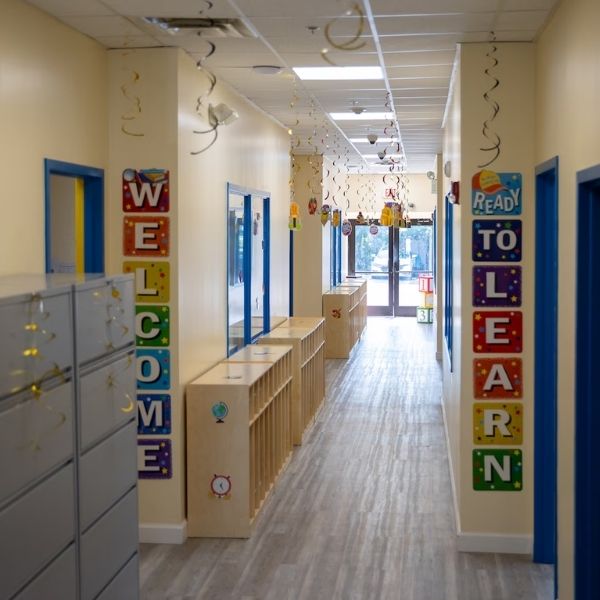
COLUMBUS, Ohio — Thousands of children in Ohio’s Head Start programs could lose access to critical early education and care services if the federal government shutdown continues beyond Nov. 1, according to the Ohio Head Start Association.
About 3,700 children — nearly 14% of the 27,000 enrolled in Ohio’s Head Start programs — are at risk, said Julie Stone, the association’s executive director. The closures would also affect roughly 940 employees, including teachers, aides, bus drivers, administrators, and kitchen staff.
Most of the programs facing potential closure are located in rural counties, such as Allen, Highland, Scioto, Lawrence, and Coshocton, where families already struggle with limited child care options.
“The vast majority of Head Start parents are working parents and they rely on Head Start to provide a safe, nurturing environment for their child,” Stone said. “They’re going to have to make tough decisions about whether or not they can go to work.”
In contrast, Head Start centers in Cuyahoga County, run by Step Forward and Catholic Charities of the Diocese of Cleveland, are expected to remain open since their federal grant cycles renew at different times.
Stone said that while some programs are seeking contingency funding to stay open temporarily, many may still be forced to close if Congress fails to act.
The shutdown began after lawmakers deadlocked over the federal budget for the fiscal year that started Oct. 1. Democrats have pushed to include Affordable Care Act subsidies, while Republicans insist on a clean spending bill, leading to the second-longest shutdown in U.S. history.
Stone described the situation as “unsettling,” adding that without either a full budget or a short-term continuing resolution that President Donald Trump can sign, Ohio’s Head Start programs remain in jeopardy.
“It just all feels so different than what we’ve experienced before,” she said.
Head Start provides early learning, nutrition, and family support services to low-income children from birth to age five. At least 10% of participants have diagnosed disabilities, and many come from foster care or homeless families.
Stone warned that the closures would disrupt not only education but also access to meals and health screenings.
“These are really the most vulnerable children and families in our communities,” she said. “Any disruption to the stability they’ve built can be devastating.”
This article has been carefully fact-checked by our editorial team to ensure accuracy and eliminate any misleading information. We are committed to maintaining the highest standards of integrity in our content.














Leave a Reply