

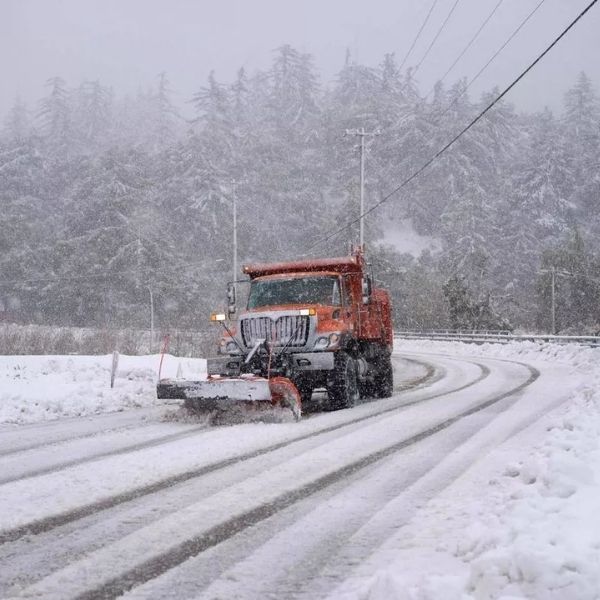
A polar vortex is set to bring at least two waves of frigid air to Florida this week, dropping temperatures into the upper 20s across the northern parts of the state.
AccuWeather Lead Long-Range Meteorologist Paul Pastelok told the Tallahassee Democrat, “We believe that two to three more rounds of intense cold are possible from the Midwest to much of the East, spanning Dec. 10 to 19. There is a chance for a frost or freeze late next week as far south as central Florida.”
Rain moved through the state on Dec. 8, bringing light or scattered downpours to some areas and wind gusts reaching up to 30 mph in the southwest. The Panhandle and North Florida saw temperatures fall into the low to mid-50s on Monday before plunging into the upper 20s to low 30s early Tuesday.
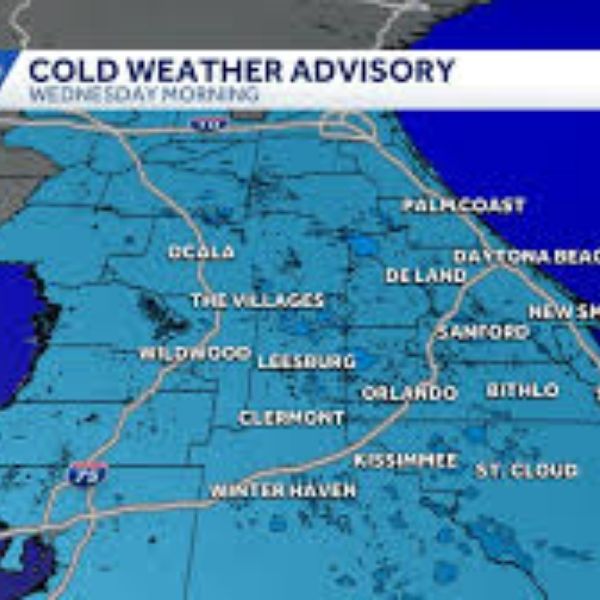
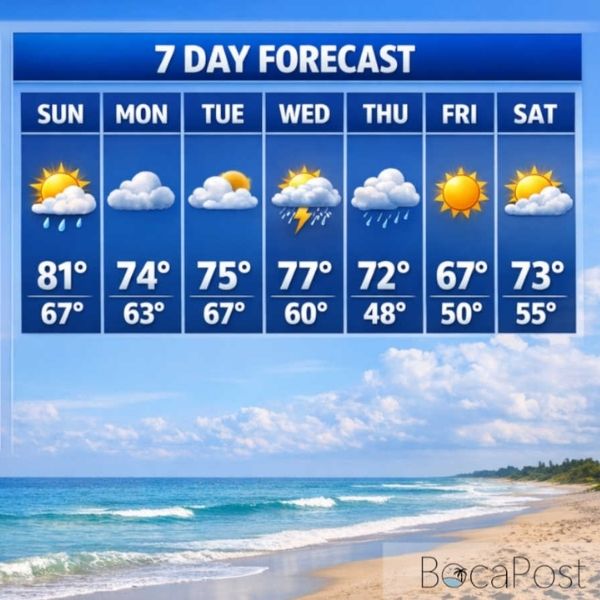
Central Florida is expected to feel cooler conditions on Tuesday with highs in the mid-to-upper 60s. By Wednesday and Thursday, temperatures across the state are projected to drop into the low to mid-40s.
Florida won’t see any snowfall this week, unlike other parts of the country. Instead, the state will experience a stretch of cold but manageable weather that should gradually warm as the weekend approaches, according to the Irish Star.
What Is a Polar Vortex?
A polar vortex is a large area of low pressure and extremely cold air that surrounds Earth’s poles. It exists year-round but weakens in summer and strengthens in winter.
The term “vortex” describes the counter-clockwise circulation that keeps the cold air near the poles, according to the National Weather Service. During Northern Hemisphere winters, the polar vortex often expands and pushes frigid air farther south.
Although polar vortices aren’t new, the term itself is relatively recent. While there’s no need for alarm when one occurs, you should prepare for colder temperatures.
“Check the forecast for your area on weather.gov to ensure you are dressed appropriately,” the NWS advises. “It is also a good idea to check the items in your home and car emergency kits at the beginning of each winter season to ensure you are prepared for any type of hazardous winter weather.”
This article has been carefully fact-checked by our editorial team to ensure accuracy and eliminate any misleading information. We are committed to maintaining the highest standards of integrity in our content.








Leave a Reply