

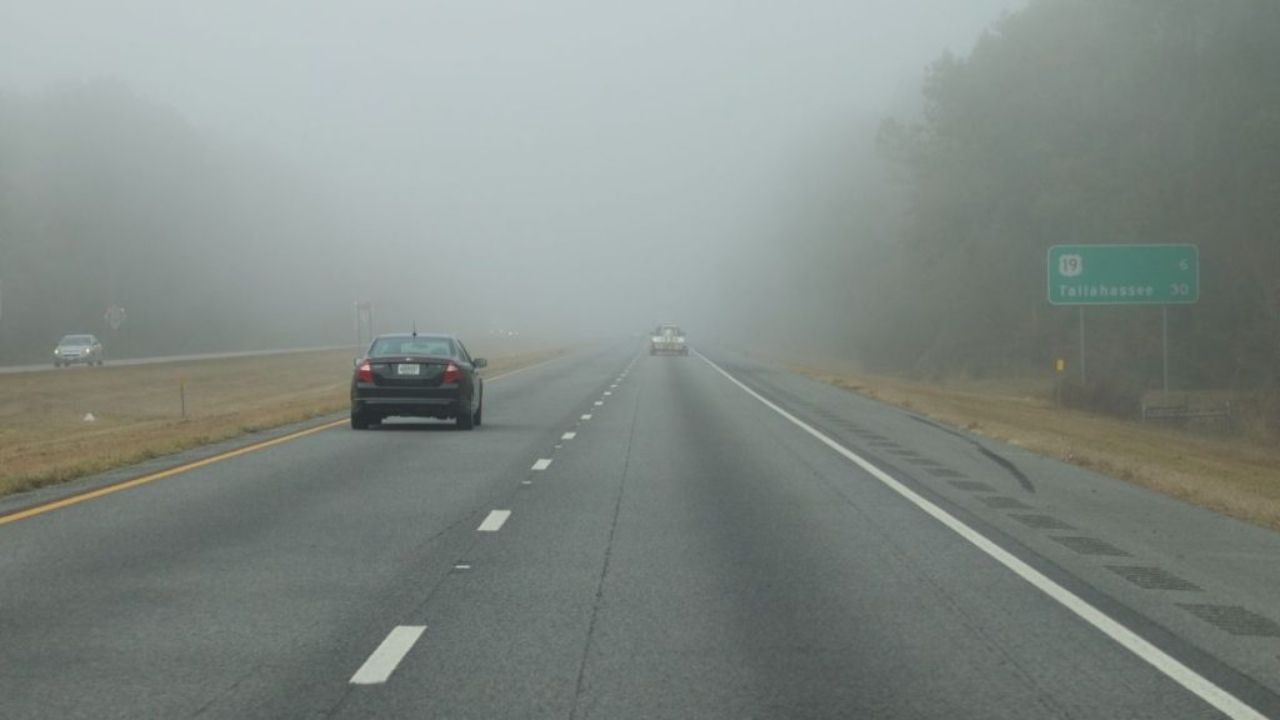
The National Weather Service (NWS) has issued a Freeze Warning for parts of central and southern Georgia, as well as northern Florida, as a blast of Arctic air moves across the Southeast to end the year.
The warning is in force from late Tuesday evening until Wednesday morning, with temperatures anticipated to drop to the mid to upper 20s in some regions. Some remote rural areas may experience much cooler temperatures tonight, posing possible threats to unsecured pipelines, plants, and pets.
“This will be one of the coldest nights of the season thus far,” said Rachel McNatt, a meteorologist with NWS Tallahassee. “We’re urging residents to take proper precautions before sunset—cover outdoor plants, bring pets indoors, and insulate exposed pipes.”
The Freeze Warning affects a large portion of the Southeast, including Valdosta, Macon, Savannah, Tallahassee, and Gainesville. While temperatures in these places rarely fall this low, the dry Arctic air mass flowing in behind a recent cold front is to blame for the dramatic decrease.
Tips for Staying Safe During the Freeze
- Protect sensitive vegetation by covering with breathable fabric or moving pots indoors.
- Keep pets indoors or provide warm shelter with blankets.
- Drip indoor faucets overnight to prevent pipes from freezing.
- Check on elderly neighbors or those who may not have adequate heating.
While these nightly lows are not likely to set new records, they may present challenges for those who are unfamiliar with frost and freeze conditions. This is particularly true in northern Florida, where citrus crops and ornamental plants are vulnerable.
Local counties in both states have already issued cold-weather warnings, and several shelters in Tallahassee and Albany have extended their hours to assist individuals in need of warmth. Emergency management officials are also working with utility providers to monitor the power grid in case of a surge in midnight demand.
Forecasters forecast temperatures to rise somewhat by Thursday afternoon, but another blast of cold air could arrive over the weekend, putting the region on edge until early January.
“It’s not unusual to get cold snaps like this, but the timing—right around the holiday and New Year’s travel—means people need to be extra cautious,” said McNatt.
Drivers should keep an eye out for patches of black ice, especially on bridges and overpasses in the early morning.



Leave a Reply