

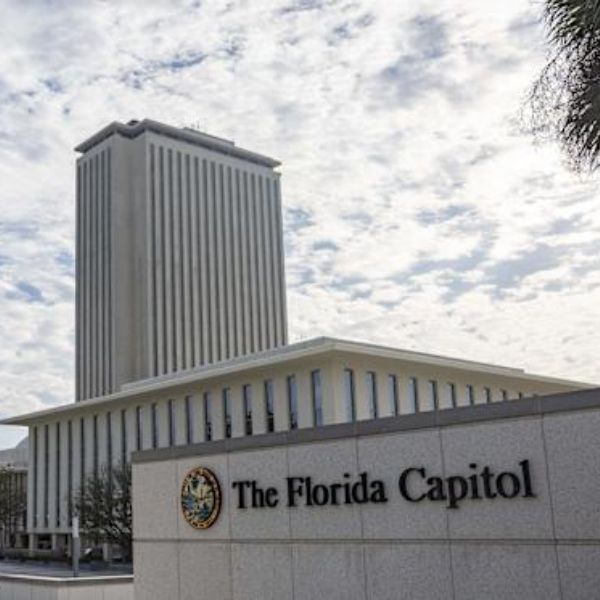
Florida lawmakers are heading back to Tallahassee as a new legislative session begins, with education expected to be a key focus.
Democrats are pushing bills to roll back expanded rights for Schools of Hope charter schools, including rules that allow them to co-locate on public school campuses. School districts and parent groups say the law is causing confusion and financial strain, while state education leaders defend it as a way to expand options for students.
Expansion of Schools of Hope
One of the most controversial topics is the expansion of rights for Schools of Hope, a group of charter schools that can move into unused space on public school campuses at no cost. The law took effect last year as part of the state budget after a standalone bill failed.
Under the new rules, Schools of Hope operators, including for-profit chains, can claim space in underutilized public schools through co-location. Districts must provide transportation, food service, custodial support, and other resources without charging the charter operator.
Two Democratic lawmakers have filed bills aimed at reversing these expanded rights, arguing the policy has caused chaos for school districts across Florida.
Concerns from Districts and Parents
School board members, district leaders, and parent groups say the law forces public schools to subsidize private operators at the expense of traditional public school students. Schools of Hope submitted at least 600 co-location applications statewide. Districts in Hillsborough, Pinellas, Pasco, Polk, and Sarasota counties are among those that received letters of intent.
Some parents and school board members describe the process as a hostile takeover, warning it could disrupt learning environments and strain limited resources. Pinellas County State Senator Darryl Rouson filed one of the bills to reverse the co-location law, and if that fails, he says the rules should at least be tightened.
Voices from the Community
Rouson said parents are worried about how co-location could affect their children’s education, safety, and health.
Damaris Allen, executive director of Families for Strong Public Schools, said districts are being forced to cover costs that charter operators don’t pay, including shared spaces, maintenance, and cafeteria use, which comes at the expense of public school students.
Jessica Vaughn, a local school board member, added that public schools should not subsidize private operators. “If you’re getting public dollars, you should be accountable and transparent, and you should be paying for the services that your students are utilizing at the bare minimum,” she said.
Support from State Leaders
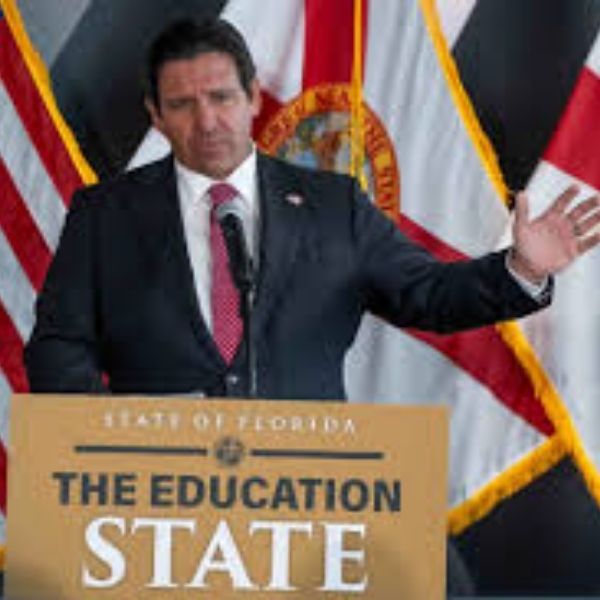
The original goal of Schools of Hope was to provide additional options for families in low-performing schools. Governor Ron DeSantis and Florida’s education commissioner remain strong supporters. At a statewide conference in December, Commissioner Anastasis Kamoutsas defended the policy and urged districts not to resist it.
“This is not the moment to protect half-empty buildings. This is not the moment to protect the way things work. This is the moment to put students first,” Kamoutsas said.
Next Steps
The Florida Board of Education plans to review the new rules and consider clarifications for districts. So far, state education leaders have not responded to specific concerns raised by school districts.







Leave a Reply