


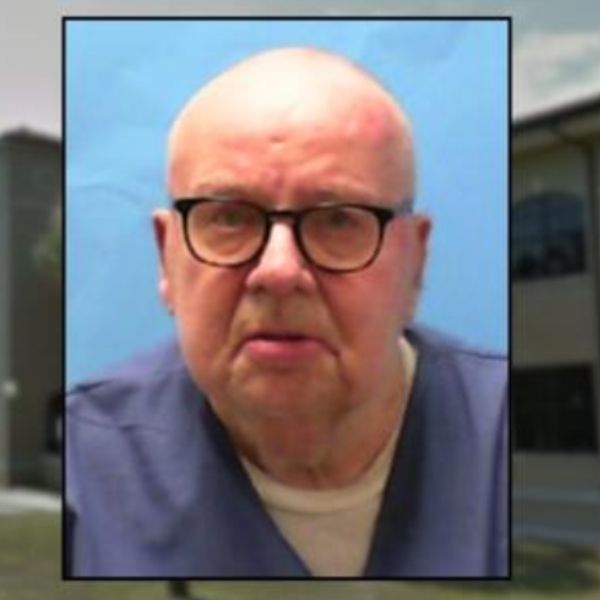
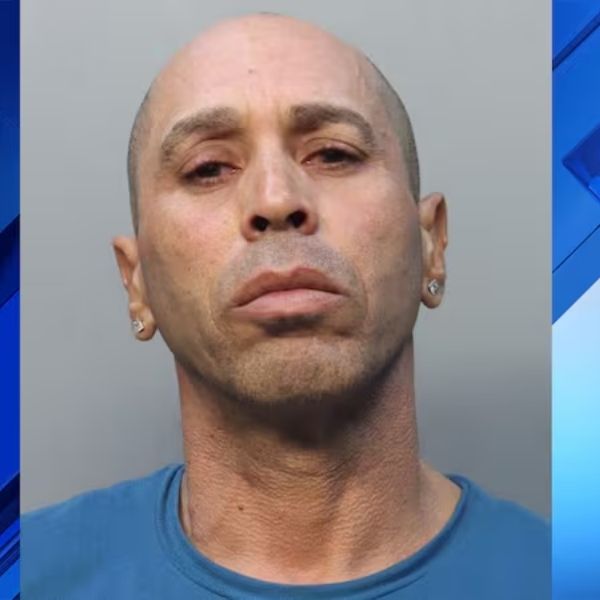
Roy Lee Ward, a 53-year-old Indiana man convicted of raping and murdering a 15-year-old girl in 2001, was executed by lethal injection early Friday morning.
This was Indiana’s third execution since the state resumed capital punishment last year.
The shocking crime occurred in a small community near Dale, home to about 1,500 residents. Ward was convicted of attacking Stacy Payne, 15, with a knife and a dumbbell inside her family’s home.
Ward’s attorney, Joanna Green, said he was “very remorseful” for his brutal actions. However, his execution reignited debate over Indiana’s use of the sedative pentobarbital in lethal injections.
According to police, Ward had told Stacy he was searching for a lost dog before forcing his way inside, cutting the phone lines, and attacking her. Stacy’s sister managed to hide upstairs and called 911 as Town Marshal Matt Keller rushed to the scene. Keller later recalled that Ward was still holding the knife when he arrived, describing it as the worst scene he had ever witnessed—one that still haunts him.
Despite concerns raised by Ward’s defense about the storage of the execution drug, the Indiana Department of Correction confirmed it had enough pentobarbital to carry out the procedure according to protocol. Indiana is one of just two U.S. states with death penalty laws that prohibit media witnesses from attending executions.
Ward’s case spanned more than two decades. He was initially convicted and sentenced to death in 2002, but the Indiana Supreme Court overturned the conviction, ordering a retrial. In 2007, Ward pleaded guilty. The U.S. Supreme Court later declined to hear his appeal, and in 2019, he filed a lawsuit to halt executions in the state.
Last month, the Indiana Supreme Court denied his final request for a stay, and Governor Mike Braun rejected his plea for clemency.
The victim’s family said they were ready for justice, remembering Stacy as a bright student and cheerleader whose influence lasted far beyond her years.
“Now our family gatherings are no longer whole; holidays are still empty. Birthdays are sad reminders of what we lost,” her mother Julie Wininger told the parole board. “Our family has endured emotional devastation.”
Ward did not attend the clemency hearing, saying he didn’t want to force the victim’s family to relive their trauma. Legal representatives noted he was recently diagnosed with autism spectrum disorder, which affected his ability to communicate.
Before the execution, one of his spiritual advisors, Deacon Brian Nosbusch, said Ward had spent years reflecting on his crime.
“He knows he did it,” Nosbusch said. “He knows it was horrendous.”
This article has been carefully fact-checked by our editorial team to ensure accuracy and eliminate any misleading information. We are committed to maintaining the highest standards of integrity in our content.










Leave a Reply