

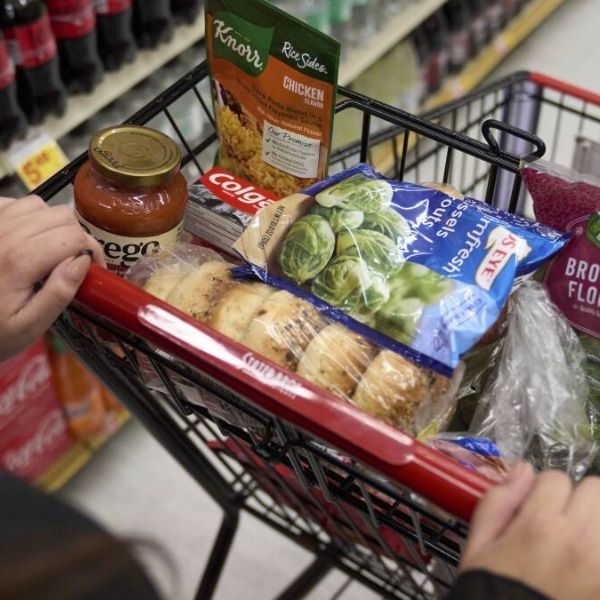
More than one million Massachusetts residents who depend on government food assistance could lose access to benefits at the start of November. Anti-hunger advocates warn that a combination of the federal government shutdown, stricter eligibility requirements, and funding cuts is creating a crisis.
“It’s absolutely a perfect storm,” said Erin McAleer, president and CEO of Project Bread, noting that these changes will worsen already high food insecurity rates.
Federal Shutdown Risks SNAP Funding
Without a new congressional spending bill, funding for the Supplemental Nutrition Assistance Program (SNAP) will end on Nov. 1, affecting roughly 42 million Americans, including over 1 million people in Massachusetts.
Gov. Maura Healey said the state receives about $240 million monthly in SNAP funds but cannot replace that money even with its $8 billion “rainy day fund.”
“There’s no way any state can backfill this,” Healey said, urging the federal government to release contingency funds. However, the U.S. Department of Agriculture (USDA) recently confirmed it will not do so.
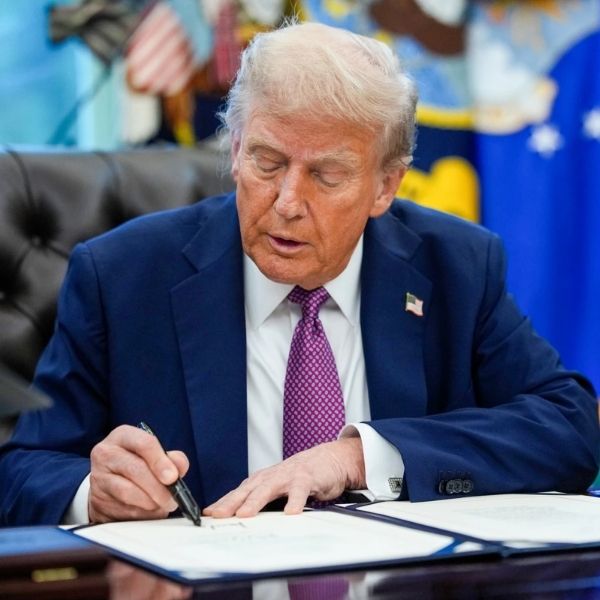
The state’s Attorney General Andrea Campbell joined nearly two dozen others in suing the Trump administration for cutting off access to SNAP benefits, calling the move illegal and asking a judge to force the USDA to continue payments.
The shutdown also affects around 25,000 federal employees in Massachusetts, many of whom are now furloughed or unpaid. “These are folks that aren’t used to going to food pantries,” said Catherine D’Amato, president of the Greater Boston Food Bank.
Expanded Work Requirements
Starting Nov. 1, about 99,000 residents will face new work requirements to qualify for SNAP. The One Big Beautiful Bill Act eliminates exemptions for recipients aged 55–64, parents of school-aged children, veterans, and others.
Those unable to provide proof of employment will be limited to just three months of benefits. “This will make it more challenging, and many people will fall through the cracks,” McAleer said.
Reduced Eligibility for Immigrants
Changes to federal rules will also end SNAP benefits for about 9,500 legal immigrants in Massachusetts. Previously, those who had lived in the U.S. for five years or held refugee or asylum status were eligible.
“They’ve followed every rule and still can’t afford food,” McAleer said. “Now even this support is being taken away — it’s catastrophic.”
Cuts to Food Banks
Federal funding cuts have also reduced the amount of food reaching pantries. The Trump administration slashed $500 million from the USDA’s Emergency Food Assistance Program, costing the Greater Boston Food Bank about $4 million worth of food.
“It’s already been tough raising funds to fill that gap,” D’Amato said. “Now, with these new policies, even more people will go hungry.”
Loss of Critical Data
Advocates are also concerned about the USDA’s decision to end the Household Food Security Report, an annual survey that measured hunger nationwide.
“Without that data, we won’t even know the full harm being done,” McAleer warned. “They’re cutting programs and the very tools used to track food insecurity — and then claiming it doesn’t exist.”
The combination of benefit cuts, new rules, and lost data has left food advocates scrambling to prepare for what could become one of the most severe hunger crises in recent Massachusetts history.














Leave a Reply