

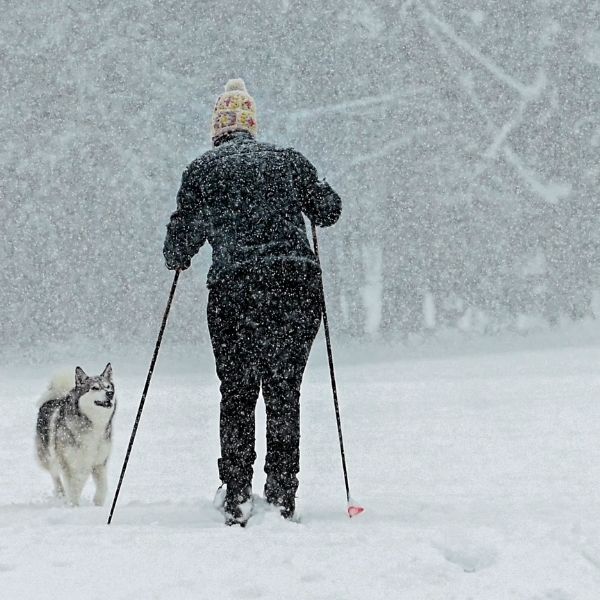
Winter officially begins on Dec. 21 with the winter solstice, but much of the U.S. is already experiencing winter weather. An “arctic blast” of cold and snow is moving across the country, and according to the Weather Channel, southern states, including Florida, could feel its effects.
The week of Dec. 1 through 7 marks the first week of meteorological winter, which differs from the astronomical winter. According to the Mount Washington Observatory, meteorologists start the seasons earlier because of temperature patterns. Meteorological winter runs from Dec. 1 through the end of February. NOAA notes that these seasons were designed to align more consistently with temperature changes than the astronomical calendar.
With meteorological winter underway, the U.S. is starting to feel its impact. Over the next 10 days, the Weather Channel warns of dramatic temperature drops and snow across the country.
A Major Blast of Cold Air and Snow Is Coming
On Thursday, Dec. 4, the Weather Channel updated its forecast to include a “fresh blast of cold arctic air,” sending temperatures below zero in parts of the upper Midwest. The cold could break daily records from the Midwest to the Northeast through Friday, Dec. 5.
Cities such as Chicago, Pittsburgh, New York City, Detroit, Milwaukee, and Roanoke, Virginia, are expected to see record-low temperatures. By Friday, the cold is likely to reach southern states as well as the Northeast.
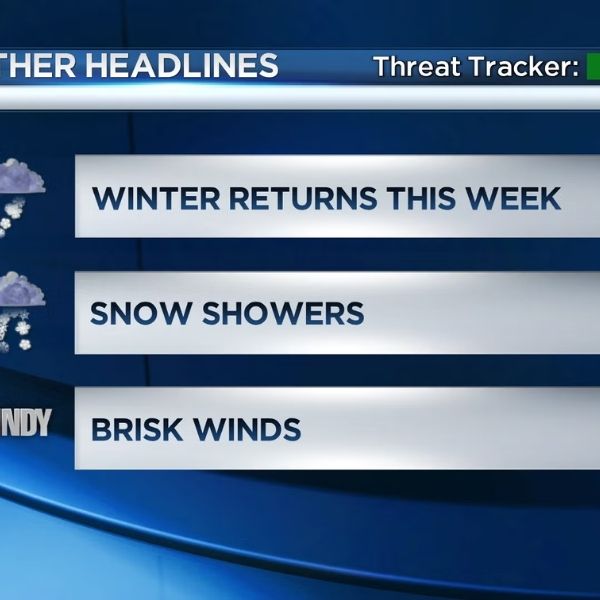
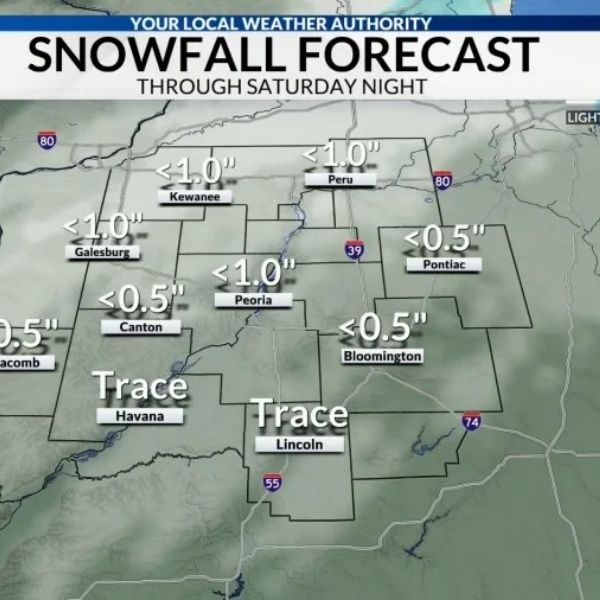
While heavy snow isn’t expected with this storm, light snow could fall in quick bursts known as snow squalls, which may create sudden and dangerous whiteout conditions. The Weather Channel also forecasts a “second shot of cold air” moving through the country over the weekend into early next week.
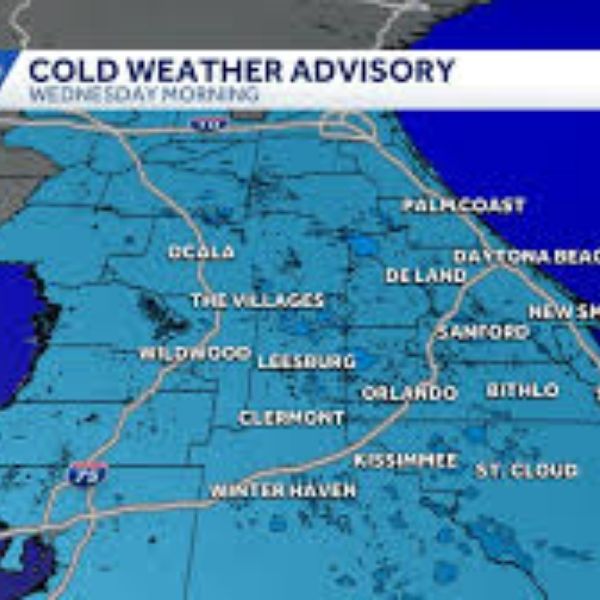
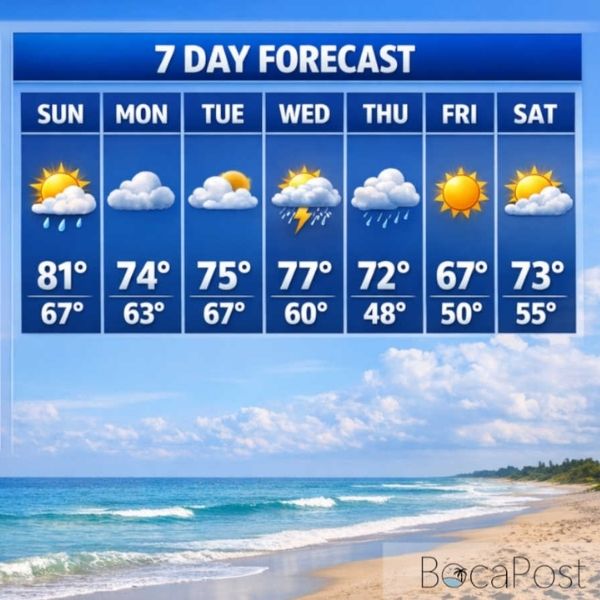
Temperature outlooks from Dec. 4 through Dec. 13 show the Plains staying relatively warm, but much of the rest of the country, including Florida, will experience below-normal temperatures. Prepare for a very cold week and a half.
Tips to Stay Safe in the Winter Cold
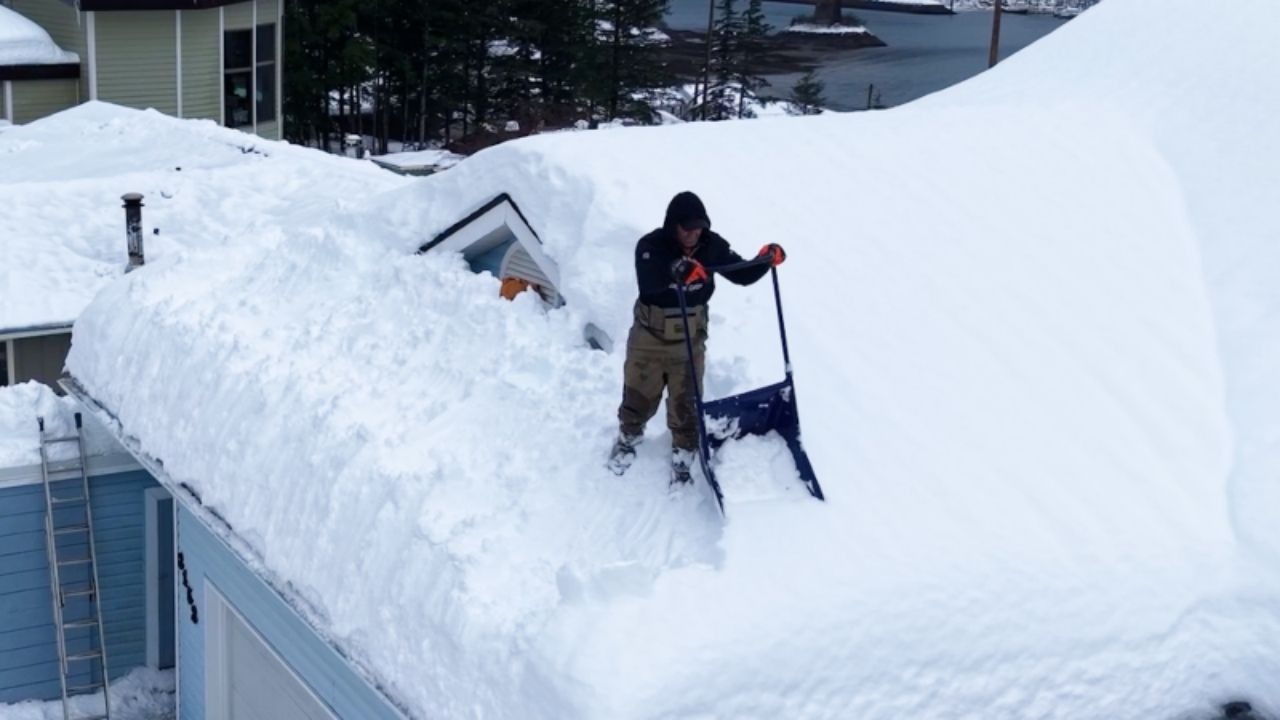
The American Red Cross warns that cold weather can be especially dangerous for the elderly. They advise checking on relatives, neighbors, and friends, particularly if they are elderly or live alone, and avoiding overexertion, such as shoveling snow, pushing vehicles, or walking in deep snow.
Pets also need protection. Bring pets indoors during cold weather if possible, move other animals or livestock to sheltered areas, and ensure they have access to non-frozen drinking water.
This article has been carefully fact-checked by our editorial team to ensure accuracy and eliminate any misleading information. We are committed to maintaining the highest standards of integrity in our content.








Leave a Reply