

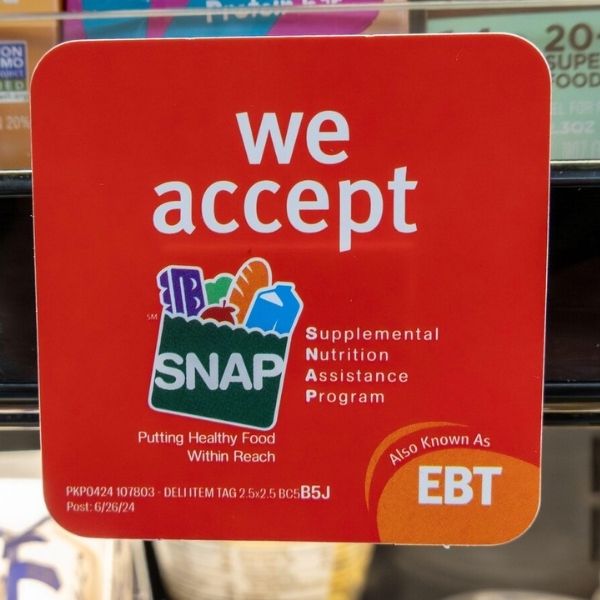
TAMPA, Fla. (WFLA) — Florida lawmakers are preparing for major changes to the Supplemental Nutrition Assistance Program (SNAP) as they move forward with a wide-ranging healthcare reform package planned for 2026.
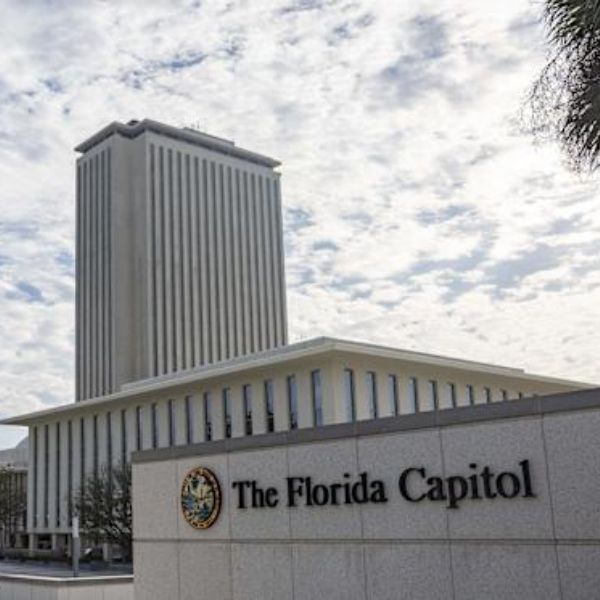
According to the Republican-controlled Florida House of Representatives, the initiative—called Florida’s New Frontier in Healthcare—will be addressed during next spring’s legislative session.
One key proposal in the package is HB 693, the Big Beautiful Healthcare Frontier Act, modeled on former President Donald Trump’s efforts to reduce regulations and grow the healthcare workforce.
“These policies reflect President Trump’s healthcare vision, which calls for fewer bureaucratic obstacles, more providers on the frontlines, and more freedom for patients to choose where and how they receive care,” said Rep. Mike Redondo, R-District 118, who sponsored the bill. “The Big Beautiful Healthcare Frontier Act ensures Florida is not just complying with federal reforms. We are leading their implementation to expand access, strengthen our workforce, and deliver better healthcare outcomes for families across our state.”
SNAP Benefit changes
A major section of the bill focuses on Medicaid and SNAP changes, including expanding work requirements for older Floridians. Under current law, able-bodied adults without disabilities must meet work requirements until age 59 and participate in the SNAP Employment and Training program, according to the Florida Department of Children and Families.
Some groups qualify for exceptions, including homeless individuals, veterans, and former foster care youth under age 24.
HB 693 would raise the age cap to 64, meaning able-bodied adults without disabilities must meet work requirements until that age to receive SNAP benefits. The bill also expands work requirements for parents, only exempting those with children under age 14 living at home.
Other proposed changes include:
• Limiting Medicaid, SNAP, and Children’s Health Insurance Program (CHIP) benefits for certain people living in Florida illegally.
• Codifying federal bans on payments to prohibited entities, including abortion care providers.
• Adding new verification measures to reduce SNAP payment errors.
“Florida’s new frontier in healthcare means putting patients first and making sure taxpayer dollars are used wisely,” said Rep. Josie Tomkow, Chair of the Health & Human Services Committee. “These reforms expand access to care, strengthen our healthcare workforce, and finally take meaningful steps to rein in prescription drug costs. From modernizing state policies to holding middlemen accountable, this package delivers practical solutions that directly benefit Florida families.”
De-regulation and workforce reforms
HB 693 also proposes removing several regulations to boost healthcare services, increase competition, and lower costs. These changes include:
• Eliminating certificate-of-need requirements for new nursing homes, intermediate care facilities for disabled people, and hospice centers.
• Removing the supervisory cap for physician assistants (PAs), allowing doctors to employ as many as needed to expand patient capacity.
• Joining interstate compacts for PAs and EMS professionals to make it easier for new healthcare workers to work in Florida.
• Requiring providers to tell patients when referrals for nonemergency services are out-of-network and ensuring payments contribute to deductibles “when cost-effective.”
• Allowing dental hygienists, under dentist supervision, to prescribe and administer fluoride, antimicrobial solutions, and local anesthesia under certain conditions.
This article has been carefully fact-checked by our editorial team to ensure accuracy and eliminate any misleading information. We are committed to maintaining the highest standards of integrity in our content.











Leave a Reply