

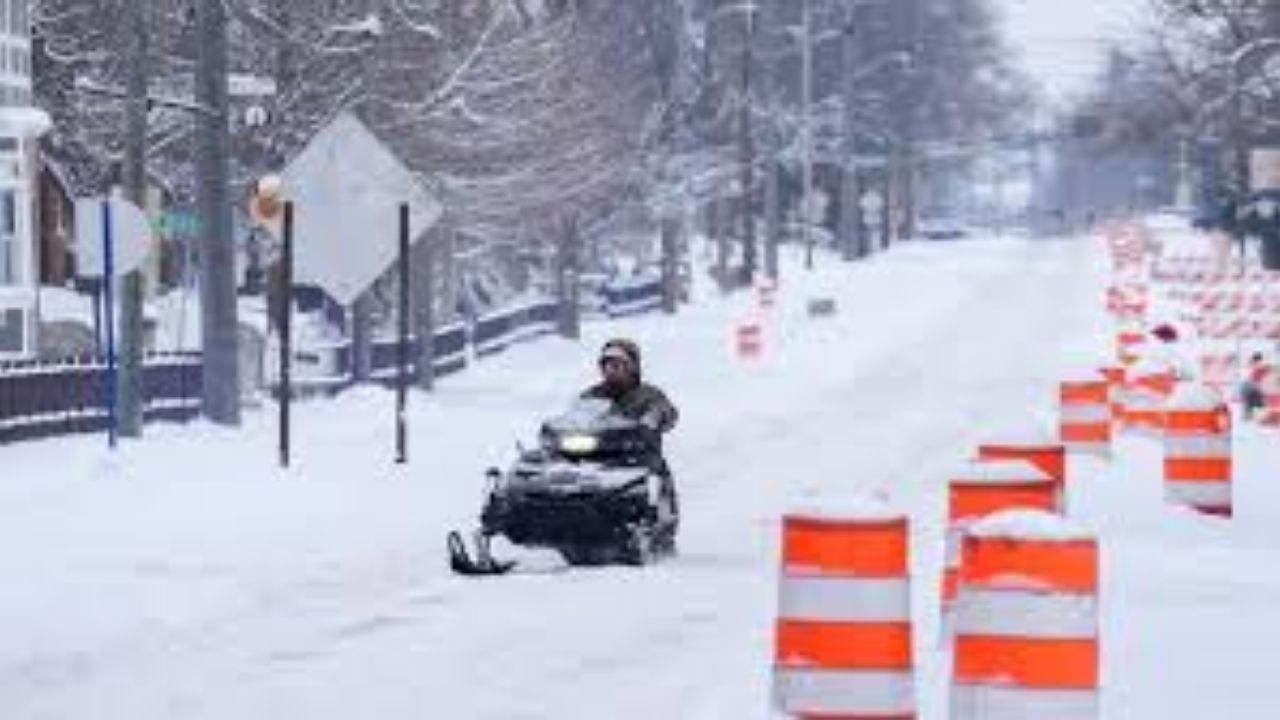
Indiana residents who are experienced with winter understand that snow can fall in January, but how common is measurable snowfall during that month? Here’s a straightforward, factual explanation based on past climate data and averages.
Winter precipitation varies across Indiana, from northern cities bordering Lake Michigan to the state’s center and southern regions. Historically, January falls well within the usual snow season, which runs roughly from late November to early April. Snow in January is not exceptional; according to long-term climatic records for Indianapolis, measurable snowfall in January is normal.
In Indianapolis, National Weather Service climate normals (1991-2020) show that January averages 8.8 inches of snow. January is usually one of the snowiest months, as it has more snow than December or February.
Other sources show that typical January snowfall amounts vary from year to year, with light years receiving as little as 3 inches and heavier years receiving more than 12 inches in January alone.
Snow does not fall every day, but measurable snowfall (defined as at least 0.1 inch) occurs frequently enough in January that Indiana cities prepare for it. Local records in Indianapolis, for example, show that measurable snow falls on dozens of days each winter, including January, which is one of the highest snow months.
Northern Indiana receives more snow than the central and southern regions of the state, owing primarily to Lake Michigan’s occasional lake-effect snow.
Records also reveal that measurable snow usually starts earlier in the winter, generally in late November or December, indicating that snow is well established by January. The average first measurable snowfall in central Indiana occurs between early and mid-December; however, the exact timing varies greatly from year to year.
All of this historical data indicates a serious likelihood of measurable snowfall in Indiana in January:
- Historical averages show January usually brings measurable snow.
- Variability across years means some Januaries are snowier than others, but snow is common enough that it’s part of Indiana’s winter climate.
- Snowfall can vary significantly by location within the state, with northern areas often seeing more than southern ones.








Leave a Reply