

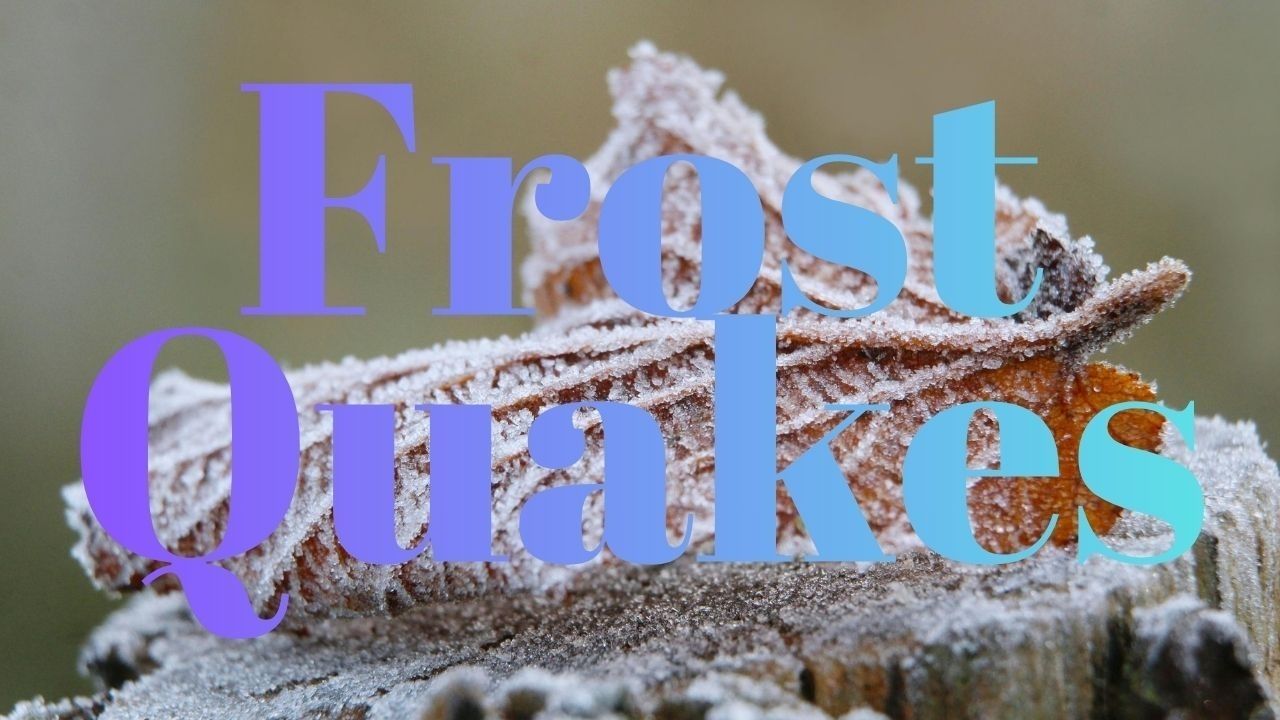
Residents across central and western Maryland may soon hear loud, explosive noises in the middle of the night as a strong blast of Arctic cold descends over the area. State geologists and meteorologists believe the sounds are the result of frost quakes, a rare but striking winter phenomenon that may rattle homes and shake the ground.
What Are Frost Quakes and Why They Happen
Frost quakes, also known as cryoseisms, happen when the ground freezes very quickly. After rain or melting snow has soaked into the soil, a sudden change in temperature causes the stored water to freeze and expand. This expansion increases pressure underground, causing the soil or rock to split and release energy in the form of a loud boom similar to thunder or an explosion.
Frost quakes, unlike earthquakes, are shallow and occur near the surface. They do not register on seismic sensors and do not cause structural damage to buildings, but they are powerful enough to shake homes, rattle windows, and startle sleeping people.
Why Maryland Is at Risk This Week
Meteorologists said the conditions in Maryland are favorable for frost quakes during the following few nights. Forecasts anticipate temperatures plummeting from the upper 30s and low 40s to the teens and 20s within hours, particularly after dark.
A crucial aspect contributing to the risk is a lack of insulating snow cover. When the earth is bare, cold air can swiftly infiltrate and freeze soil moisture before it can drain or freeze gradually. Baltimore, Frederick, Hagerstown, and adjacent communities are the most likely areas to experience frost quakes.
When Frost Quakes Are Most Likely to Occur
Frost quakes normally occur during the coldest period of the night, usually between midnight and early morning. Calm nights with clear skies enhance the risk since temperatures drop faster without cloud cover to trap heat.
Residents may hear one loud boom or several cracking sounds. Some people have reported experiencing a momentary tremor, akin to a truck passing by or adjacent construction blasting.
Are Frost Quakes Dangerous?
Experts note that frost quakes are not dangerous and do not carry the same risks as earthquakes. However, they can produce small surface impacts, such as:
- Small cracks in driveways or sidewalks
- Frost heaves in yards or gardens
- Shifting of loose stones or soil near foundations
In most cases, homes, roadways, and subterranean utilities are safe.
How Homeowners Can Reduce Potential Impacts
While frost quakes cannot be avoided, householders can take precautions to mitigate minor damage:
- Ensure proper drainage around the home
- Direct downspouts away from foundations
- Fill existing cracks in driveways and walkways before deep freezes
- Avoid excessive watering of soil during cold snaps
Good drainage decreases the amount of water that can freeze underground.







Leave a Reply