

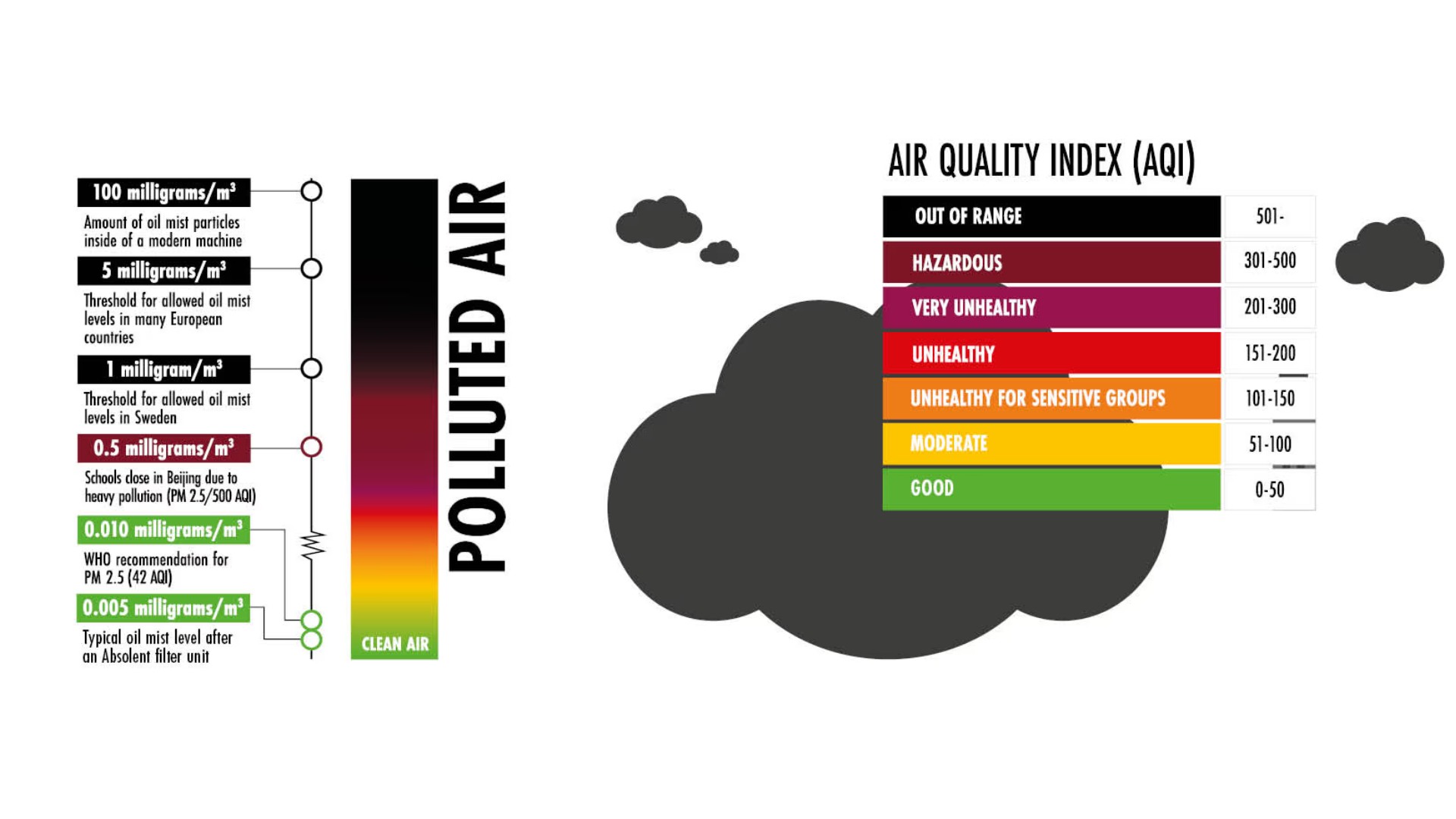
Since the heyday of big steel, Pittsburgh’s air quality often ranked among the worst in the country. But a new report suggests the city now has some of the cleanest air in the nation.
What caused this sudden turnaround?
For decades, the Pittsburgh region carried a reputation for having some of the dirtiest air in America. The American Lung Association even issued occasional “F” ratings for particulate pollution, discouraging businesses and residents from relocating here and leaving parents worried about their children’s health.
“Am I doing my family a disservice by raising my kids here? Are they going to grow up with asthma? Are they going to have health problems because of the air quality here?” asked Ken Zapinski of Pittsburgh Works Together.
To ease those concerns, Pittsburgh Works Together launched an annual report called “Clearing the Air.” For the past several years, the report has shown that Pittsburgh’s air is no worse than what you’d find in a typical metropolitan region.
Zapinski, the research director, says the newest data shows the region now ranks among the best.
“In 2024, we were one of the cleanest metro regions in the country,” Zapinski said. “This is good news, and we shouldn’t be afraid to celebrate it.”
The report says the 12-county metropolitan region has dramatically reduced particulate and ozone pollution, placing it in the top 20% cleanest nationwide. It also notes that air pollution in the more heavily populated Allegheny County has dropped to its lowest level ever—now below the federal standard of 9 micrograms per cubic meter.
While Pittsburgh Works Together does not pinpoint exact reasons for the decline, the improvement likely stems from stronger pollution controls and major industrial changes, including the shutdown of three batteries at U.S. Steel’s Clairton Coke Works and the closure of coal-fired plants like the Cheswick Generating Station.
Environmentalists still urge caution
“On the surface, it’s good news. It shouldn’t be overinterpreted,” said Carnegie Mellon University’s Matt Mehalik, director of the Breathe Project.
The Breathe Project considers the findings a one-year snapshot, noting that federal regulatory standards rely on three years of data. Still, Mehalik says the region must continue reducing particulate pollution as it upgrades steel facilities and builds data centers—yet this past year’s numbers do show progress.
“If that’s true, 2024 and 2025 are pointing in the right direction, and if we can hold out another year, we can say clearly our air has improved,” Mehalik said.
Environmentalists agree the region’s air quality is trending in the right direction and emphasize the need for continued vigilance, especially as demand for new energy rises.










Leave a Reply