

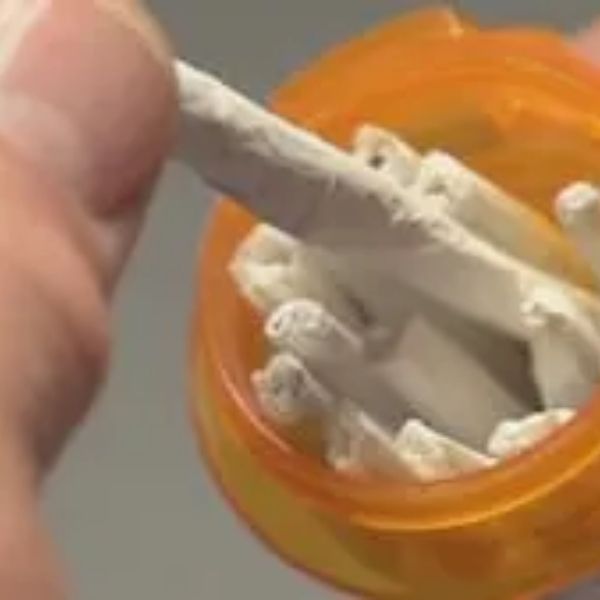
Medical marijuana patients and hemp product consumers in Florida could face open container restrictions while driving under a newly filed bill.
The proposal, sponsored by State Rep. Dean Black, a Republican from Yulee, aims to discourage impaired driving at a time when studies show roughly one-third of people killed in Florida traffic crashes test positive for THC.
“This is about reestablishing a taboo. We do not need to have people who are impaired and driving, and we don’t need to make it easy to do so,” Black said. “We know how to do this. We have been down this road before. A lot of people died when we were doing this with alcohol. People are dying now with THC, and it’s time for it to stop.”
Under the bill, medical marijuana and hemp products with unsealed packaging would be required to be stored in a locked glove compartment or the trunk of a vehicle.
The legislation would also allow police to use the smell of cannabis as probable cause to search a vehicle. This practice was previously ruled unconstitutional by two Florida appellate courts due to the widespread legality of medical marijuana and hemp.
“Police need to be able to, upon reasonable suspicion, search for those containers,” Black said.
A first offense would result in a minor citation, while repeat violations could carry penalties of up to six months in jail and a $1,000 fine.
Medical marijuana patients could face additional consequences. A first violation would lead to a suspension of their medical marijuana card, and a second violation would result in permanent revocation.
“So, somebody is found to have hemp in their vehicle, now all of a sudden their right to their medication is going to be suspended or revoked?” said Josephine Cannella-Krehl.
Cannella-Krehl, a medical marijuana patient who works with The Flowery, one of Florida’s licensed treatment centers, argued the bill unfairly targets medical marijuana users and infringes on their constitutional rights.
“It penalizes and further marginalizes qualified patients for using a state-legal, constitutionally protected medication,” she said.
She also warned that restoring the “smell test” could expose even lawful consumers to unnecessary vehicle searches by police.
Rep. Black countered that the approach mirrors alcohol enforcement.
“If they smell alcohol, they’re probably going to search your car for that too,” he said.
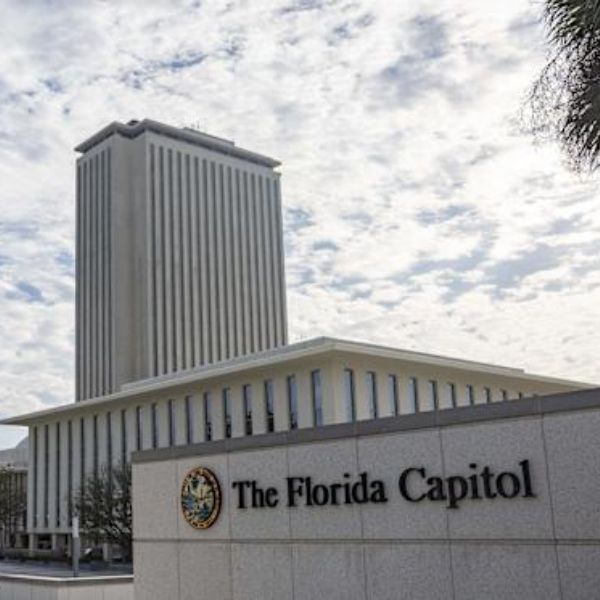
The bill has been filed in both the Florida House and Senate.
The 2026 legislative session is set to begin Tuesday, Jan. 13.
This article has been carefully fact-checked by our editorial team to ensure accuracy and eliminate any misleading information. We are committed to maintaining the highest standards of integrity in our content.









Leave a Reply