

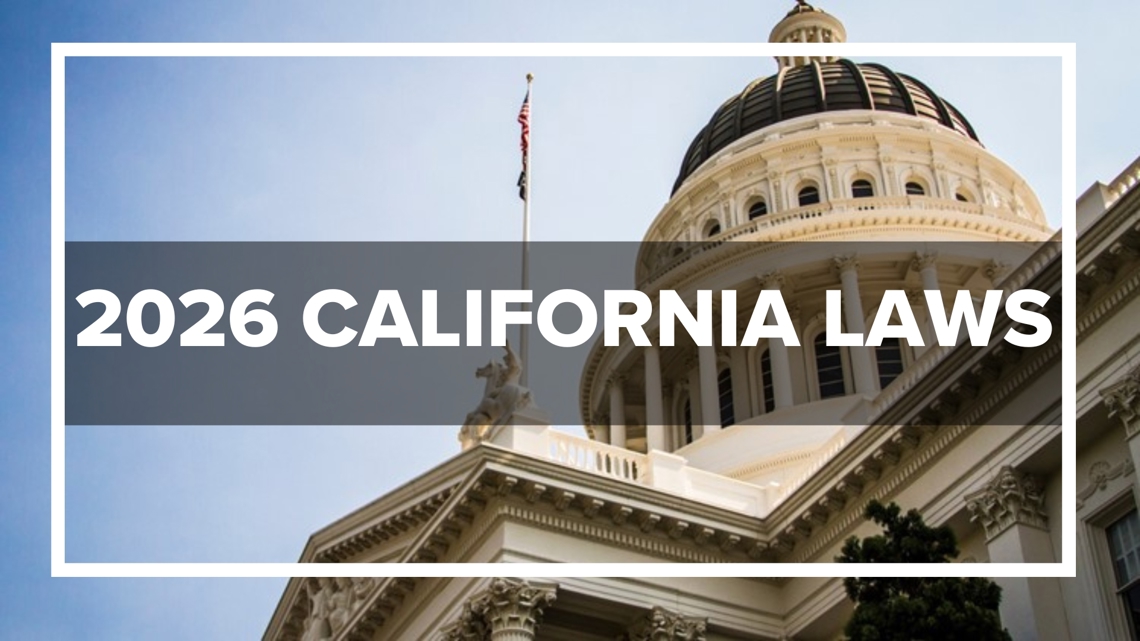
The new year is ringing in with new California laws. While some take effect in July, others begin on Jan. 1.
SB 3 – Minimum Wage Increase
Under Senate Bill 3, the minimum wage will increase to $16.50 per hour at the beginning of the year. The wage increase, which accounts for inflation, does not impact the $20 per hour minimum wage for fast-food workers at large chains.
SB 617 – Worker Adjustment and Retraining Act
Senate Bill 617 would require that employers who order a mass layoff, relocation or termination include in the notice whether they plan to coordinate services through the local workforce development board or another entity.
SB 294 – The Workplace Know Your Rights Act
Under Senate Bill 249, employers must provide a stand-alone written notice to employees of specified workers’ rights, including workers’ compensation and inspections conducted by an immigration agency.
The notice has to be provided on or before Feb. 1.
SB 642 – Pay Transparency
Senate Bill 642 requires that employers provide an accurate pay range of what they expect to pay new hires, as opposed to a broad estimate.
AB 692 – Ban on stay or pay clauses
Assembly Bill 692 bans employee contracts that include a clause in which the worker pays an employer, training provider, or debt collector if the worker’s employment or work relationship with a specific employer ends.
The ban applies to contracts entered into, or on Jan. 1.
SB 1053 – Plastic Bag Ban Expanded
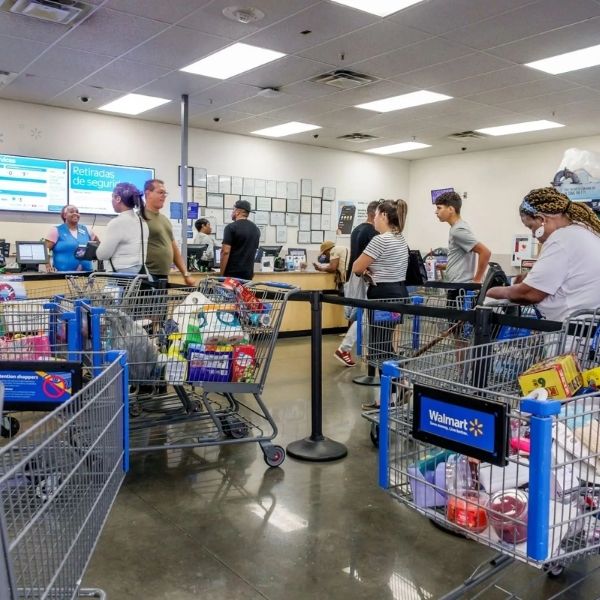
Beginning Jan. 1, Senate Bill 1053 will require that stores no longer sell single-use plastic carry-out bags, but instead distribute recycled paper bags.
The ban applies to grocery stores, retail stores with a pharmacy, convenience stores, food marts and liquor stores.
SB 709 – Self-Service Storage Facilities
Senate Bill 709 requires that rental agreements disclose the maximum rental fee that the owner could charge during the first year of the agreement, whether the rental fee is discounted or promotional or is otherwise subject to change.
SB 40 – Insulin Coverage
Senate Bill 40 prohibits a large group health care service plan contract from imposing a copayment, coinsurance, deductible, or other cost-sharing method of more than $35 for a 30-day supply of an insulin prescription drug.
Small group health care service plan contracts or health insurance policies will be subject to the same prohibition starting in January 2027.
AB 578 – Food Delivery Platforms
Assembly Bill 578 requires that food delivery services, including Uber Eats, DoorDash and Grubhub provide a full refund to customers whose food was not delivered, or received the wrong order.
The bill also prohibits the platforms from charging a higher price than what is posted to the service by the restaurant at the time of the order.
SB 627 – Law Enforcement Banned from Wearing Masks
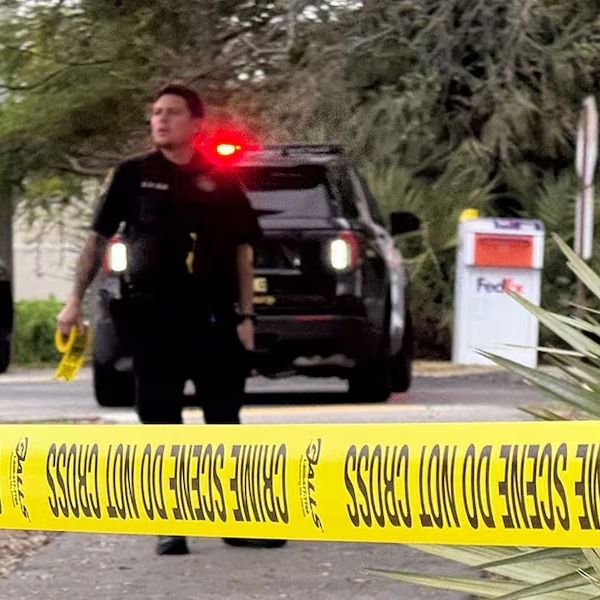
Senate Bill 627 will make it a misdemeanor for law enforcement officers to wear a facial covering on duty, unless under special circumstances.
Law enforcement agencies are required to maintain and publicly post a written policy limiting the use of facial coverings.
SB 53 – Transparency in Frontier Artificial Intelligence Act
Under Senate Bill 53, AI companies will be required to report their protocols and safety incidents, which will then be provided to the California Office of Emergency Services.
SB 243 – Companion Chatbots Safety
Under Senate Bill 243, platforms that use companion chatbots will be required to notify users that the companion is AI-powered and not human.
Companies will also be required to report to the Office of Suicide Prevention on their protocols put in place to detect, remove and respond to instances of suicidal ideation by users.
AB 250 – Sexual Assault Statute of Limitations
Assembly Bill 250 extends the eligibility period for adult survivors of sexual assault to file civil lawsuits in certain cases where the statute of limitations has passed.
Survivors can file for previously time-barred claims during the two-year window of Jan. 1, 2026, to Dec. 31, 2027.
AB 867 – Cat Declawing Ban
Under Assembly Bill 867, any type of claw removal on a feline is banned, unless performed for a therapeutic purpose.
AB 268 – Diwali Recognized as State Holiday.
Assembly Bill 268 recognizes Diwali as a state holiday. Public Schools and community colleges will be authorized to close on the holiday.
Vehicle Safety Laws
Meanwhile, the California Highway Patrol highlighted new laws expected to impact drivers.
- AB 382: Authorizes law enforcement to lower the speed limit in school zones from 25 mph to 20 mph
- AB 289: The Department of Transportation is authorized to establish a work zone speed safety system pilot program that uses a mobile radar or laser system to detect speeding violations
- AB 390: Expand the “slow down and move over” law to include any highway maintenance vehicle or stationary vehicle using flashing hazard lights or a warning device
- AB 1014: Authorizes the DOT to reduce a speed limit by five miles per hour on a highway and mandates warning citations
- AB 875: Authorizes law enforcement to impound cars for at least 48 hours if they have fewer than four wheels but do not meet the criteria of an electric bicycle
- SB 1271: Improves safety standards for electric bikes, powered mobility devices and related lithium-ion batteries
Almost 800 new laws in California were passed in 2025.
The full list can be found online.











Leave a Reply