

AUGUST 5, 2021 – SHDHD urges the public to consider the COVID and swiss cheese method as cases trend upward.
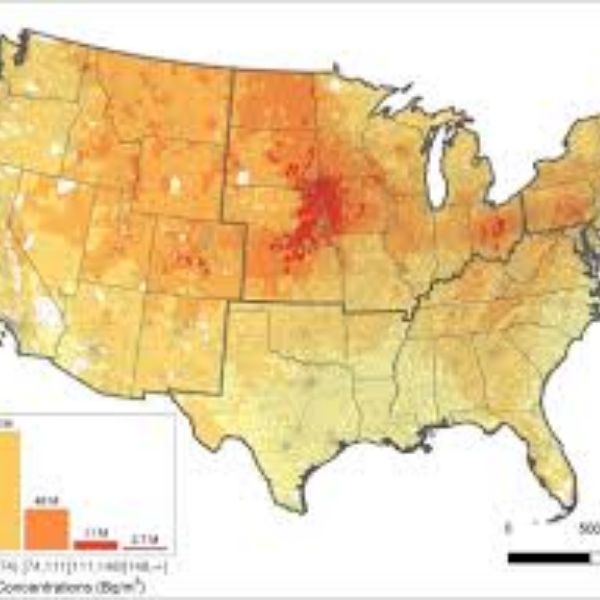
Hastings, Neb. — As January marks Radon Action Month, residents are being urged to test their homes for radon, a colorless, odorless, radioactive gas that poses serious health risks. The American Cancer Society describes radon as a naturally occurring gas released by the decay of uranium in the ground, which can enter homes through cracks in the foundation. In Nebraska, more than half of all radon tests exceed the Environmental Protection Agency’s action level of 4 picocuries per liter, with some areas reporting levels as high as 100 picocuries per liter.
The South Heartland District Health Department reports that about 60% of radon tests in Adams, Clay, Nuckolls, and Webster counties exceed the EPA’s recommended action level. The highest recorded level in 2024 measured 16.6 picocuries per liter in Nuckolls County.
Radon exposure is the leading cause of lung cancer among non-smokers. The EPA estimates that radon contributes to roughly 21,000 lung cancer deaths each year in the United States. The risk increases significantly for smokers who are exposed to radon. For example, lifetime exposure to radon levels of 4 picocuries per liter could lead to lung cancer in about seven out of 1,000 non-smokers, while the number rises to 62 out of 1,000 among smokers.
Residents can test their homes using short-term radon test kits. SHDHD offers these kits for $8 at its Hastings office and other locations throughout the region. If test results show radon levels above 4 picocuries per liter, homeowners are encouraged to contact the health department or a licensed radon mitigation professional for guidance.
Lung cancer screening is recommended for individuals at higher risk, especially smokers. Webster County and Mary Lanning hospitals offer screenings using low-dose CT chest scans. People between the ages of 50 and 80 with a history of heavy smoking are encouraged to speak with their healthcare providers about annual lung cancer screening options.













Leave a Reply