


A South Florida lawmaker is promoting a proposal that would allow homeowners aged 65 and older who receive the homestead exemption to stop paying local property taxes — leaving only the portion of their bill that funds schools.
The proposal, House Joint Resolution 205 (HJR 205), would also prevent counties and municipalities from cutting law-enforcement budgets below current levels, since those revenues would be affected by the tax exemption.
Seniors are feeling the financial strain
Carmen and Jose Calleiro, both over 65, say relief like this is desperately needed.
“We live on a fixed income, and if everything keeps going up and up for us, we won’t be able to live,” Carmen Calleiro said.
“Fortunately, we can pay the taxes on this house now,” Jose Calleiro added, but the couple fears the cost may eventually become too much.
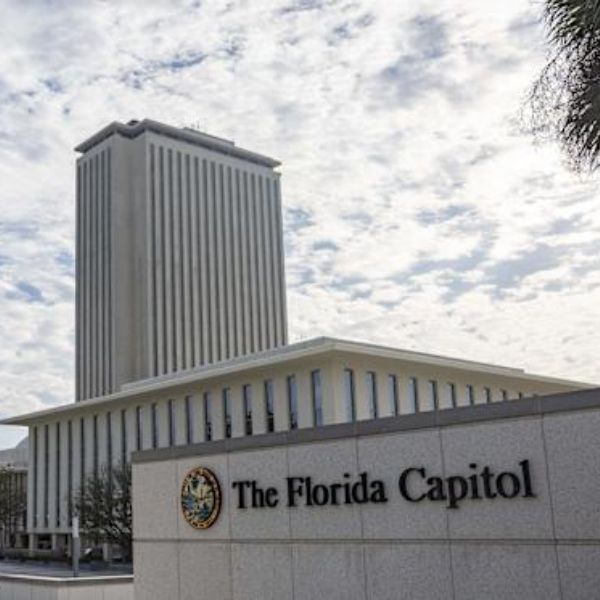
They support efforts to bring relief from Tallahassee.
“I’m 100% for it. I think any help from the government at this point is very much welcomed by the older generation,” Carmen said.
State Rep. Juan Carlos Porras, who is sponsoring the resolution, said, “We have to have trust in our elected leaders that they need to prioritize the needs and not just the wants — that is public education, law enforcement, that is firefighters.”
Impact on local governments and public services
Doral Mayor Christi Fraga said her city is prepared for the proposal, but warned that larger jurisdictions, including Miami-Dade County, could experience significant impacts because they rely heavily on property-tax income.
“I think the issue with the state is that they haven’t addressed the criteria in a very long time,” Fraga said. She also suggested seniors should be exempted from the school-tax portion, which she noted is the largest part of their bill.
Rep. Porras acknowledged the challenge.
“Here in Miami-Dade County, that’s over 60% goes to the county and the cities,” he said. “You’d have to have difficult conversations.”
According to the bill analysis:
-
Homestead properties owned by persons age 65 or older would be exempt from all ad valorem taxes except school-district levies.
-
Local governments would be barred from reducing law-enforcement funding below the level set in fiscal year 2025-26 (or 2026-27, whichever is higher).
-
If approved by voters (60% required), the amendment would take effect January 1, 2027.
If HJR 205 passes both the Florida House and Senate, the constitutional amendment would appear on the November 2026 ballot. If voters approve it, the exemption would become effective January 1, 2027.
This article has been carefully fact-checked by our editorial team to ensure accuracy and eliminate any misleading information. We are committed to maintaining the highest standards of integrity in our content.










Leave a Reply